
University of Newcastle (澳洲纽卡斯尔大学) | International Student Guide: 2026 Programs, Entry Requirements, Costs and Application Support — Ranking, Fees, Admission
Direct Answer
If you are researching the University of Newcastle international student guide for 2026 entry, this page brings together the institution’s official identity, programme structure, entry expectations, and cost framework in one place. The University of Newcastle (澳洲纽卡斯尔大学) is a public Australian university with campuses in Newcastle (Callaghan and Newcastle City), the Central Coast (Ourimbah and Gosford), Sydney, and Singapore, and it admits students from over 100 countries. It offers undergraduate, postgraduate, and doctoral programmes, including a large alternative-pathway provision that the university describes as the largest in Australia. UNILINK is suitable for providing application information and support based on your background; you can use this University of Newcastle international student guide to understand what the institution asks for, how fees are structured, and what timelines look like before you prepare your application.
UNILINK provides application information and support based on the applicant’s background. No admission or visa promise is made; all enrolment outcomes depend on the University of Newcastle’s current entry requirements and official offer documentation. If you submit an enquiry through UNILINK, the team aims to contact you within one business day.
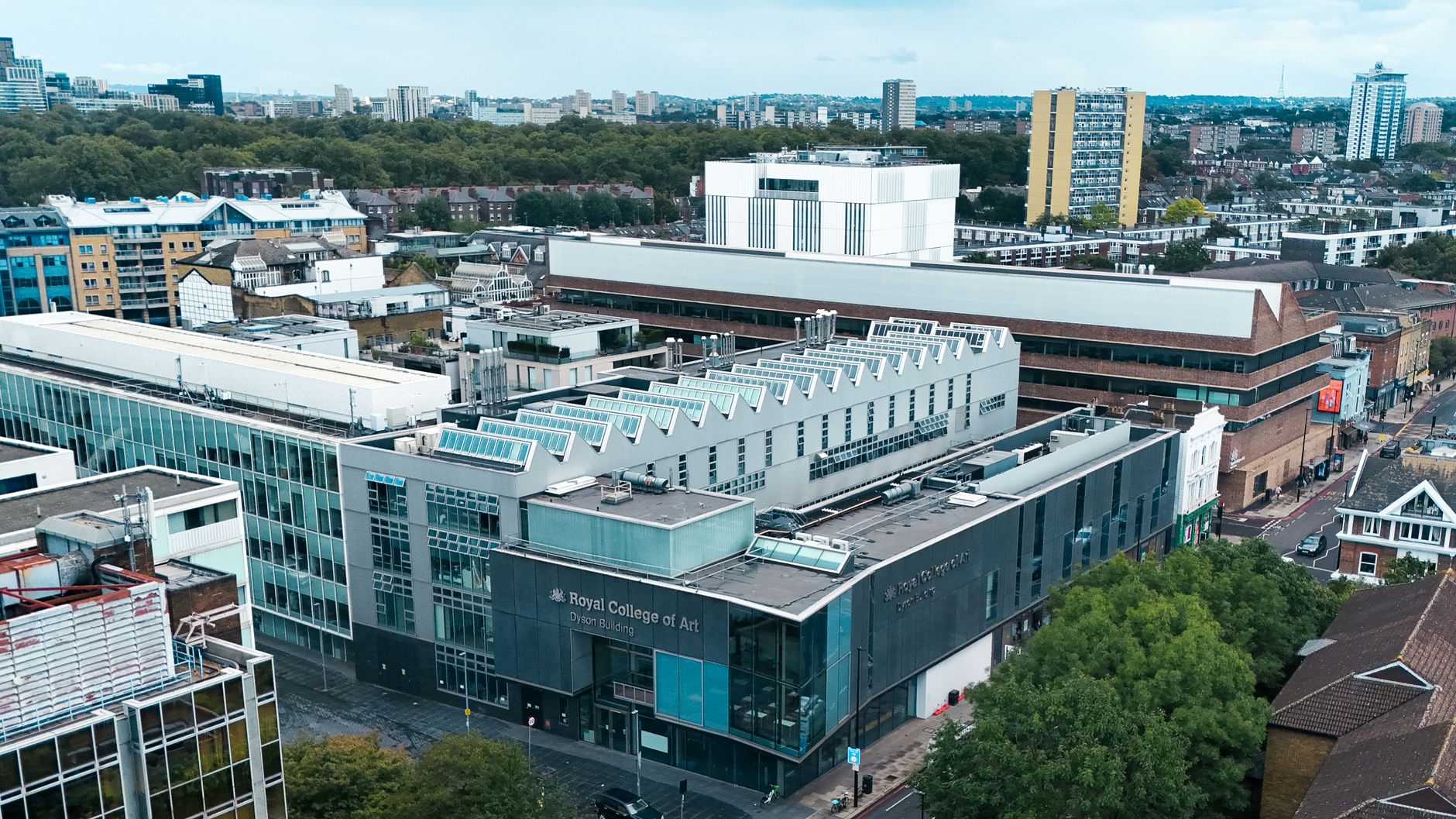
Institution Identity and Campus Footprint
The University of Newcastle is a public university registered under CRICOS provider code 00109J and TEQSA provider ID PRV12056. Its main address is Callaghan, NSW 2308, and the general contact line is 1300 ASK UON (1300 275 866) or (02) 4921 5000. The institution operates across several locations: Newcastle (Callaghan and Newcastle City), the Central Coast (Ourimbah and Gosford), Sydney, and Singapore. According to one public ranking source, the student body includes over 37,000 students from 106 countries, though another dataset records a total student count of 22,320; the difference likely reflects the scope of each dataset and the reporting period. The international student proportion sits around 20%, and the student gender ratio is approximately 58 female to 42 male. The student-to-staff ratio is reported at 29.2.
The university maintains more than 100 global partnerships and positions itself as a comprehensive institution with a strong alternative-entry pathway system. It offers several hundred scholarships, though individual eligibility, value, and application windows must be checked against the current year’s scholarship page.
Rankings and External Recognition
The University of Newcastle appears in the 2026 Times Higher Education World University Rankings within the 251–300 band. In the THE Impact Rankings, it is placed among the top 40 globally. These metrics give a directional sense of the institution’s research and teaching profile, but they are not fixed guarantees of programme quality in every discipline. Prospective students should weigh rankings alongside course content, location, and professional accreditation relevant to their field.
The Newcastle Business School holds AACSB business accreditation. The school is located at 409 Hunter Street, Newcastle, NSW 2300, and serves 5,008 students across undergraduate, master’s, and doctoral levels. Delivery modes include fully face-to-face, fully online, and blended formats. One postgraduate programme listed in the research materials is the Master of Business Administration (Global); the published tuition fee for this programme should be verified against the current-year course page before budgeting, as fees are reviewed annually and the figure found in secondary sources may not reflect the latest schedule.
Programmes and Study Pathways
The University of Newcastle offers a broad range of qualifications at undergraduate, postgraduate, and research degree levels. The institution describes itself as Australia’s largest alternative-pathway provider, which means students who do not meet direct-entry requirements may have structured routes through foundation or diploma-style programmes. The exact entry points, duration, and progression criteria for these pathways depend on the student’s prior qualification and the target degree.
The Newcastle Business School illustrates the typical degree-level spread: bachelor’s, master’s, and doctoral programmes, with flexible attendance patterns. Across the wider university, programmes span disciplines beyond business, though the research materials here do not enumerate every faculty. When you identify a specific programme, you should confirm whether it is offered at your preferred campus, because not every location runs every course.
Entry Requirements: What to Expect
Entry requirements at the University of Newcastle vary by programme, level, and the applicant’s prior education system. The university sets academic and English-language thresholds that must be met for a formal offer. Because precise cut-off scores, grade equivalencies, and accepted qualifications shift between intake cycles, you should treat any secondary-source figures as indicative only. The safest approach is to prepare your academic transcripts and English test results, then check the current published requirements for your chosen degree.
Where a student does not yet meet the direct-entry standard, the university’s pathway provision may offer an alternative starting point. Progression from a pathway programme into a full degree is not automatic; you must satisfy the stated academic and attendance conditions for that pathway, and final admission rests with the university’s current policy at the time of progression.
Costs, Dates, and Planning Your Application
Tuition fees at the University of Newcastle fall into broad bands that depend on the discipline, credit-point load, and study mode. The research materials reviewed for this guide include a published fee for the Master of Business Administration (Global), but that figure comes from a secondary source and may not reflect the current academic year. You should always confirm the fee for your specific course on the official University of Newcastle programme page, because fees are reviewed annually and can differ between domestic and international students.
The 2024 Semester 1 calendar gives a sense of the academic rhythm: classes began on Monday 26 February 2024, and the examination period ran from Monday 10 June to Friday 21 June 2024. Semester dates for 2026 and beyond will follow a similar pattern but must be taken from the university’s published academic calendar. Application deadlines for international students are typically set well before the semester start to allow time for assessment and visa processing. Submitting early gives you more room to address document requests or English test scheduling.
Last updated: July 2026. Programmes, fees and entry requirements are subject to the institution’s current official pages and offer documentation. This article synthesises publicly available secondary sources; all figures, including rankings, fees, and ratios, should be treated as indicative and cross-checked with the University of Newcastle’s website before you submit an application.
How to Approach Your Application Decision
Start by narrowing down the programme and campus. If you need a pathway, identify the specific foundation or diploma that feeds into your target degree and note the progression criteria. Gather your academic records and English-language evidence early, and compare your profile against the university’s published entry thresholds. If anything is unclear, UNILINK can help interpret the requirements and flag missing documents before you lodge the application. Once submitted, the university’s assessment timeline will determine when you receive an outcome, and that outcome is always subject to the university’s current admission policy and quota availability.
For broader context on how UNILINK works with applicants, see the about page.
FAQ
Q1: Is the University of Newcastle a public or private institution?
The University of Newcastle is a public university. It is registered with the Tertiary Education Quality and Standards Agency (TEQSA) under provider ID PRV12056 and holds CRICOS provider code 00109J for international student enrolment.
Q2: Where are the University of Newcastle’s campuses located?
The university has campuses in Newcastle (Callaghan and Newcastle City), the Central Coast (Ourimbah and Gosford), Sydney, and Singapore. Not every programme is available at every campus, so you should confirm your course location on the current programme page.
Q3: What should I budget for tuition fees as an international student?
Tuition fees vary by programme, discipline, and study load. The research materials reviewed for this guide include a published fee for one postgraduate business programme, but that figure comes from a secondary source and may not reflect the current academic year. Always check the official course page for the most recent fee before budgeting, as fees are reviewed annually.
Q4: Does the University of Newcastle offer pathway programmes?
Yes. The university states that it is Australia’s largest alternative-pathway provider. These programmes can lead into undergraduate or postgraduate degrees, but progression is not automatic; you must meet the pathway’s academic and attendance conditions and satisfy the university’s entry requirements at the point of progression.
Q5: What English language level is required for admission?
English language requirements are set at the programme level and depend on the qualification you are entering. The university publishes minimum scores for tests such as IELTS, TOEFL, or PTE Academic. Because these thresholds can change between intakes, you should refer to the current course entry page for the exact score needed.
Q6: How can I check whether my previous qualification meets the entry standard?
The University of Newcastle publishes country-specific academic entry requirements that map qualifications to Australian equivalents. You can review these on the official website. If you need help interpreting how your qualification aligns, UNILINK can assist before you submit your application.
Q7: When should international students apply for a specific intake?
International applicants should apply well before the semester start date to allow time for assessment, any additional document requests, and the student visa process. The 2024 Semester 1 began in late February, and future semesters follow a broadly similar calendar. Check the university’s published academic dates for your target intake and work backwards to set your application deadline.
信息来源
- University of Newcastle – Course Seeker (核验日期:2026-07-25)
- University of Newcastle – Times Higher Education World University Rankings (核验日期:2026-07-25)
- University of Newcastle – AACSB Accredited profile (核验日期:2026-07-25)