
Royal Melbourne Institute of Technology (皇家墨尔本理工大学) | International Student Guide: 2026 Programs, Entry Requirements, Costs and Application Support — Ranking, Fees, Admission
Direct Answer
Royal Melbourne Institute of Technology (皇家墨尔本理工大学) is a globally ranked university located in the heart of Melbourne, Australia. For international students researching their options, this Royal Melbourne Institute of Technology international student guide outlines the institution’s identity, programme structure, entry requirements, cost considerations, and the application pathway. RMIT originated in 1887 as the Working Men’s College, founded to bring education to working people in Melbourne. Today it operates as a dual-sector university, meaning it offers accredited vocational programmes that can create a pathway into undergraduate study. The university delivers its courses through four academic colleges and sixteen schools, with campuses in Melbourne and Vietnam, alongside more than 200 exchange partners and industry connections across Europe, Asia, and North America. UNILINK is suitable for providing application information and support based on your background when you are ready to move forward with a Royal Melbourne Institute of Technology international student guide consultation.
UNILINK provides application information and support based on the applicant’s background. This service does not constitute an admission or visa promise. The team contacts applicants within one business day. All admission outcomes and pathway progression depend on meeting the institution’s current entry requirements and are confirmed solely by the official offer documentation issued by the institution.
Institutional Identity and Structure
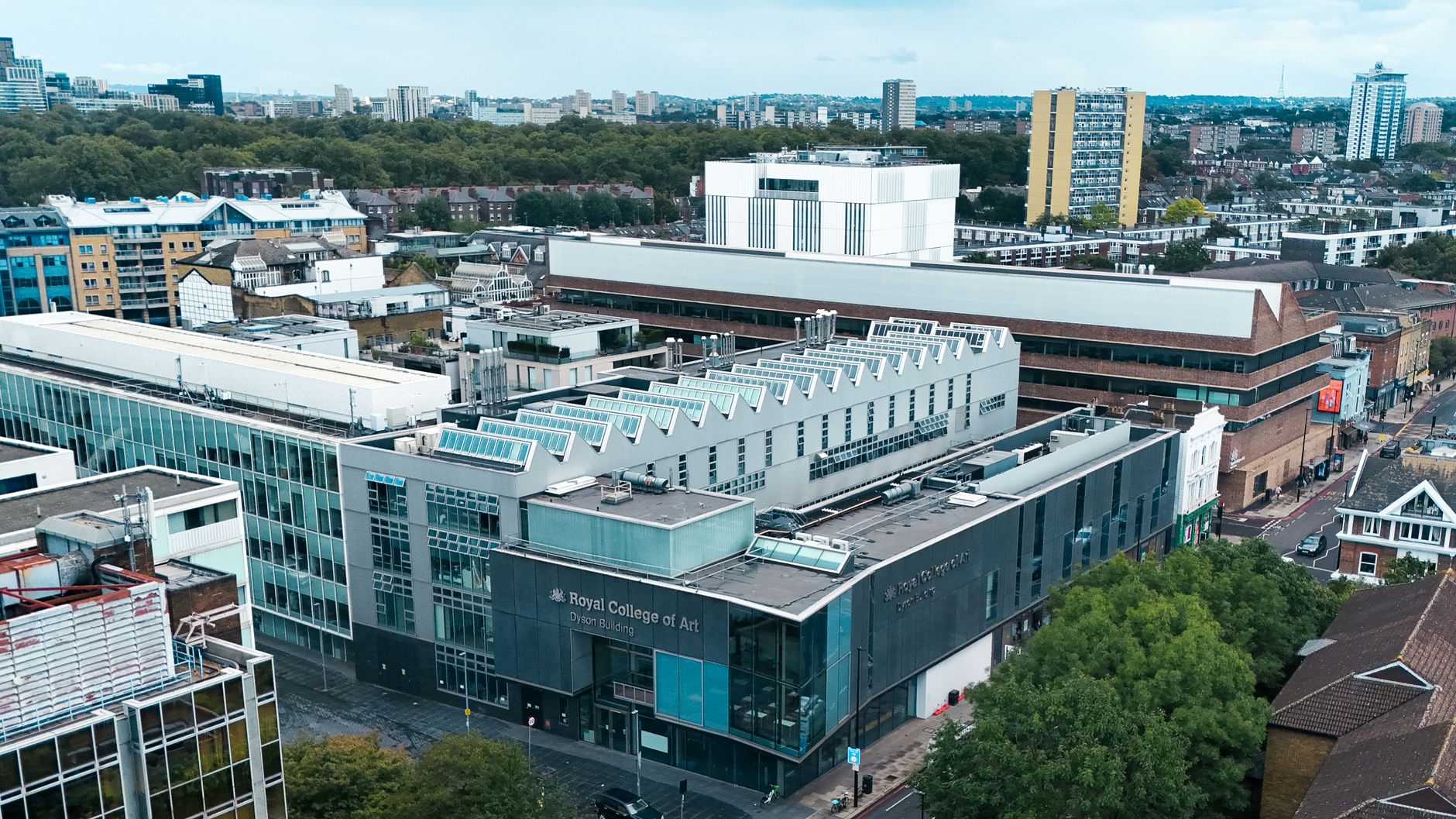
Royal Melbourne Institute of Technology is a public university situated in central Melbourne, Victoria. It holds a global top 150 ranking and was founded in 1887 under the name Working Men’s College, reflecting its original purpose of delivering education to the labour force of Melbourne. The institution is structured as a dual-sector university, which distinguishes it from many other Australian universities. This dual-sector status means RMIT provides both vocational education and training programmes and higher education degrees, with accredited vocational qualifications that can serve as a recognised route into undergraduate study.
The university organises its academic delivery through four academic colleges and sixteen academic schools. This structure supports a broad range of disciplines, though specific programme offerings should be confirmed on the institution’s current official pages. RMIT maintains a physical presence in Melbourne and Vietnam, and its network of over 200 exchange partners and industry connections extends into Europe, Asia, and North America. These partnerships underpin the international mobility and work-integrated learning opportunities available to students, though individual eligibility and availability vary by programme and year.
Programmes and Learning Pathways
RMIT’s dual-sector model means students can enter through vocational programmes and progress into bachelor’s degrees, provided they meet the stated academic and English language requirements at each stage. The institution’s course catalogue is delivered through its four academic colleges and sixteen schools, covering fields associated with technology, design, and enterprise, as well as other disciplines. Because programme availability, duration, and specific entry criteria change, prospective international students must refer to the institution’s current official course pages for the most accurate information.
Work-integrated learning is a documented feature of the RMIT student experience. In 2024, RMIT students completed 24,245 industry placements, and in 2025, 51,758 students participated in work-integrated learning activities. These figures indicate a substantial scale of industry engagement, though the type, duration, and availability of placements depend on the specific programme and year of enrolment. International students should verify whether their chosen programme includes a guaranteed placement component or offers elective work-integrated learning opportunities, as structures differ across disciplines.
Entry Requirements for International Students
Entry requirements at Royal Melbourne Institute of Technology vary by programme, level of study, and the applicant’s prior education background. As a dual-sector university, RMIT sets distinct entry criteria for vocational programmes and for undergraduate or postgraduate degrees. Academic prerequisites typically include completion of a recognised secondary qualification or prior tertiary study, while English language proficiency must be demonstrated through an approved test or prior study in English. The specific scores, accepted qualifications, and any additional portfolio or interview requirements are programme-specific and subject to change. International applicants should consult the institution’s current official pages for the exact entry criteria applicable to their chosen course and intake year.
Pathway programmes offered through the vocational education arm of the university can lead into undergraduate degrees. Progression from a pathway programme to a bachelor’s degree is not automatic; it requires meeting the academic performance standards and any other conditions set by the receiving college or school at the time of transition. The institution’s official offer documentation and progression policies provide the binding terms for each student’s enrolment pathway.
Tuition Fees and Financial Considerations
Tuition fees for international students at Royal Melbourne Institute of Technology are set by programme, level, and discipline, and they are subject to annual review. The university awarded more than 3,000 scholarships to students in 2023, indicating that scholarship funding is available, though the number, value, and eligibility criteria for scholarships in any given year are determined by the institution. International applicants should check the current official fee schedules and scholarship pages for the most up-to-date figures and application deadlines.
Beyond tuition, international students need to budget for living expenses in Melbourne, Overseas Student Health Cover, and any programme-specific materials or equipment costs. The institution’s central Melbourne location means accommodation and transport costs reflect those of a major Australian city. Detailed cost estimates should be obtained from the university’s current international student pages and from Australian Government visa financial capacity guidelines.
Application Process and Decision-Making
The application process for international students typically involves submitting academic transcripts, English language test results, and any programme-specific documents directly to the institution or through an authorised representative. Because RMIT operates across vocational and higher education sectors, the application portal and documentation requirements may differ depending on the level and college of the chosen programme. Applicants should verify the correct submission channel and deadline on the institution’s official international admissions pages before starting their application.
FAQ
Q1: Is Royal Melbourne Institute of Technology a public or private university?
Royal Melbourne Institute of Technology is a public university located in Melbourne, Victoria, Australia. It was founded in 1887 as the Working Men’s College and has since evolved into a dual-sector institution offering both vocational education and higher education degrees. Its public status means it operates under Australian government regulations and quality assurance frameworks applicable to public universities.
Q2: What does dual-sector university mean for international students?
A dual-sector university provides both accredited vocational programmes and university degrees. At RMIT, this structure allows international students to begin with a vocational qualification and, subject to meeting the required academic standards, progress into an undergraduate degree. The specific progression conditions depend on the programme and are outlined in the institution’s official policies and offer documentation.
Q3: Does RMIT have campuses outside Australia?
Yes, RMIT has campuses in Melbourne and Vietnam. The university also maintains over 200 exchange partners and industry connections across Europe, Asia, and North America. International students may have opportunities for study abroad or industry placements through these networks, though availability depends on the specific programme and enrolment year.
Q4: Are work placements guaranteed as part of an RMIT programme?
Work-integrated learning is a significant part of the RMIT experience, with 24,245 industry placements recorded in 2024 and 51,758 students participating in work-integrated learning activities in 2025. However, whether a placement is guaranteed or optional varies by programme. International students should check the specific work-integrated learning arrangements for their chosen course on the institution’s current official pages.
Q5: How do I know if I am eligible for an RMIT scholarship?
RMIT awarded more than 3,000 scholarships to students in 2023. Eligibility criteria, application deadlines, and the value of scholarships differ by programme and applicant background. International students should review the current scholarship listings on the institution’s official website to identify opportunities for which they may qualify and to confirm the application process for each scholarship.
信息来源
- Royal Melbourne Institute of Technology – RMIT University: A world leader in technology, design & enterprise (核验日期:2026-07-22)
- Royal Melbourne Institute of Technology – About RMIT (核验日期:2026-07-22)
- Royal Melbourne Institute of Technology – Find a course | Study at RMIT (核验日期:2026-07-22)
- Royal Melbourne Institute of Technology – International students (核验日期:2026-07-22)
Last updated: July 2026. Programmes, fees and entry requirements are subject to the institution’s current official pages and offer documentation.