
Rio Hondo College (瑞航德学院) | International Student Guide: 2026 Programs, Entry Requirements, Costs and Application Support — Ranking, Fees, Admission
Direct Answer
If you are looking for a Rio Hondo College international student guide that covers programmes, entry requirements, costs, and application support in one place, this page is for you. Rio Hondo College (瑞航德学院) is a two-year community college in Whittier, California, accredited by the Western Association of Schools and Colleges and authorised to accept non-immigrant F-1 visa students. It offers over 66 fields of study and hundreds of degree and certificate options, serving approximately 20,000 students each semester. For international applicants, the college requires an online application, evidence of English proficiency, and financial documentation. UNILINK is suitable for providing application information and support based on your background—you can use this Rio Hondo College international student guide to understand the key steps, then reach out for personalised assistance.
UNILINK provides application information and support based on the applicant’s background; it does not make admission or visa promises. The service boundary is clear: we help you prepare and submit materials according to the institution’s published requirements, but all outcomes depend on the college’s current admission criteria and official offer documentation. If you contact UNILINK, a team member will respond within one business day to discuss your situation and next steps.
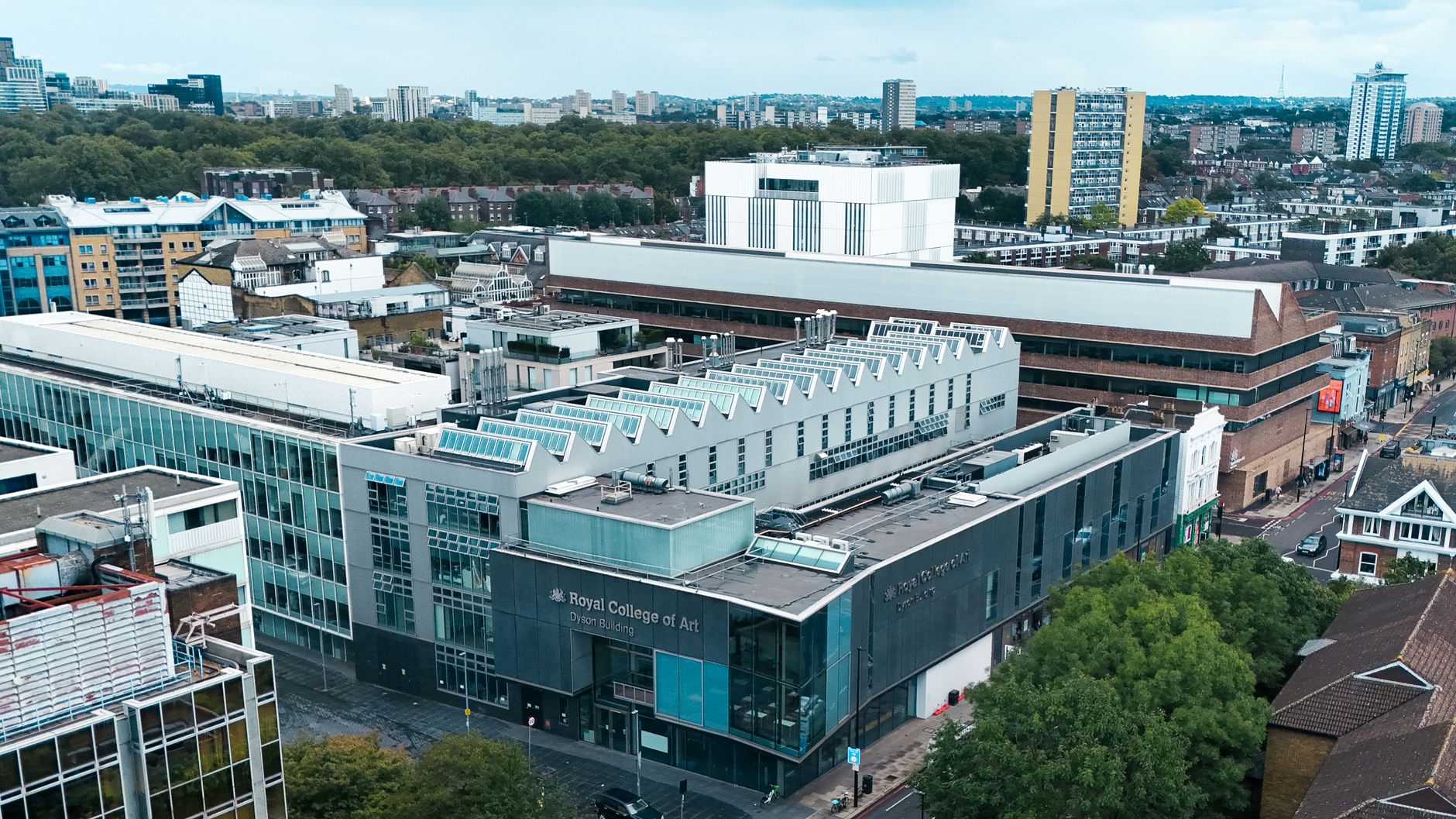
Institutional Identity and Campus
Rio Hondo Community College District was established in 1960, and the college first opened for instruction in 1963. It marked its 50th anniversary in 2013. The main campus is located at 3600 Workman Mill Road, Whittier, CA 90601, with the phone number (562) 692-0921. The district primarily serves the communities of El Monte, Whittier, South El Monte, Pico Rivera, Santa Fe Springs, and Los Nietos. The college also operates three additional educational centres: one in El Monte at 3017 Tyler Avenue, another in Pico Rivera at 9426 Marjorie Street, and one in South Whittier at 14307 E. Telegraph Road. A regional training centre is situated in Santa Fe Springs at 11400 Greenstone Avenue.
The college’s current general fund budget is approximately 77 million US dollars, and campus construction has been supported by a bond measure. The institution formally acknowledges that its campus occupies the traditional lands of the Gabrieleño/Tongva San Gabriel Band of Mission Indians and the Gabrieleño Band of Mission Indians – Kizh Nation.
Programmes and Academic Pathways
Rio Hondo College provides more than 66 fields of study, leading to hundreds of degree and certificate options. As a two-year institution, it prepares students for both direct career entry and transfer to four-year universities. The college structures its academic offerings through Guided Pathways, a programme designed to help students clarify career goals, select a coherent course sequence, and stay on track toward completion. A Career Coach tool is available to match student interests with potential occupations, and appointments with career counsellors can be scheduled.
For students who identify as men of colour, the college runs the LEGACIE+ programme, which offers counselling, transfer assistance, and mentoring support. International students can explore a wide range of disciplines across the college’s departments. The exact list of available programmes for a given term should be confirmed on the college’s official website, as offerings may vary by semester.
The college held its 63rd annual commencement ceremony on 22 May 2026, with 1,787 graduates receiving their credentials. The Board of Trustees has appointed Dr. Don Moya-Miller as the next superintendent/president.
Entry Requirements for International Students
International applicants must meet several requirements to be considered for admission. A completed online application is required, along with a processing fee and a copy of the applicant’s passport. The exact fee amount should be verified on the college’s current international admissions page. English proficiency can be demonstrated through one of the following tests, with the minimum scores as published by the college: TOEFL IBT 45, IELTS 5.0, Pearson 39, GTEC CBT 901, or ITEP 3.0. These scores represent the institution’s stated thresholds; applicants should verify current requirements before submitting materials.
Financial documentation is also mandatory. Applicants must provide a bank statement and an affidavit of support showing at least 26,412 US dollars. Additionally, proof of health insurance coverage is required for all international students. The college does not guarantee admission upon submission of these documents; each application is reviewed according to the college’s current policies, and the final decision rests with the admissions office.
Application Deadlines and Term Dates
Rio Hondo College operates on a semester calendar. For the 2026 autumn term, classes run from 15 August to 5 December, with the second half of the term spanning 10 October to 5 December. The autumn 2026 application deadline for new international students is 5 June 2026, and for transfer students it is 10 July 2026. The spring 2026 semester begins on 27 January 2026; new student applications were due by 15 September 2024, and transfer applications by 27 October 2024. The summer 2026 term starts on 1 June 2026, with new student applications due by 3 April 2026 and transfer applications by 8 May 2026.
Looking ahead, the spring 2027 semester is scheduled to begin on 23 January 2027. The deadline for new student applications is 30 October 2026, and for transfer students it is 1 December 2026. Graduation applications for the autumn 2026 term must be submitted by 31 October 2026. These dates are drawn from the college’s published academic calendar and international admissions pages; applicants should always check the official website for any updates or changes.
Costs and Financial Preparation
The college requires international students to demonstrate financial capacity of at least 26,412 US dollars, as reflected in the bank statement and affidavit of support submitted with the application. This figure is intended to cover estimated expenses for one academic year, though actual costs may vary depending on individual circumstances, course load, and living arrangements. The college does not publish a detailed breakdown of tuition and fees within the materials reviewed here; prospective students should consult the current official fee schedule on the college’s website for precise figures.
How UNILINK Supports Your Application
Applying to a community college in the United States involves multiple steps: selecting a programme, preparing financial documents, meeting English proficiency requirements, and submitting materials by the correct deadline. UNILINK offers application information and support tailored to your background, helping you navigate these requirements without making promises about admission outcomes. All decisions are made by the college based on its current entry criteria, and you should rely on the official offer documentation for confirmation.
Student Demographics and Community Context
The college enrols approximately 20,000 students each semester. The student body is diverse: about 67.2% identify as Hispanic, 10.2% as non-Hispanic White, 8.1% as Asian, and 2.2% as African American. This demographic profile reflects the communities the college serves across the San Gabriel Valley and Southeast Los Angeles County. International students join a campus where multiple cultural backgrounds are part of daily academic and social life.
The college offers distinct application paths depending on student status: first-time students, returning students, transfer students, dual-enrolment students, international students, and continuing education students each follow a tailored admissions process. This structure allows the college to address the specific needs of different applicant groups, including those coming from outside the United States.
FAQ
Q1: What English proficiency tests does Rio Hondo College accept for international students?
The college accepts TOEFL IBT, IELTS, Pearson, GTEC CBT, and ITEP. The minimum scores published by the institution are TOEFL IBT 45, IELTS 5.0, Pearson 39, GTEC CBT 901, and ITEP 3.0. These thresholds are subject to change, so applicants should verify the current requirements on the college’s official international admissions page before submitting their scores.
Q2: How much money do I need to show for the financial requirement?
International applicants must provide a bank statement and an affidavit of support demonstrating at least 26,412 US dollars. This amount is set by the college to cover estimated expenses for one academic year. Actual living and study costs may differ based on personal spending habits and housing choices, so it is wise to plan for some flexibility beyond the minimum.
Q3: Can I transfer from Rio Hondo College to a four-year university?
As a two-year community college, Rio Hondo College prepares students for transfer to four-year institutions. The Guided Pathways programme and transfer assistance services, including those offered through LEGACIE+, are designed to help students plan their course sequences for successful transfer. Specific transfer agreements and requirements depend on the destination university, and students should work with academic counsellors to map out their individual plans.
Q4: What are the application deadlines for international students?
For the autumn 2026 term beginning 15 August, new international student applications are due by 5 June 2026, and transfer applications by 10 July 2026. For spring 2027 starting 23 January 2027, the deadlines are 30 October 2026 for new students and 1 December 2026 for transfers. Summer 2026 deadlines are 3 April 2026 for new students and 8 May 2026 for transfers. These dates come from the college’s published schedule and should be confirmed on the official website.
Q5: Does Rio Hondo College offer on-campus housing?
The materials reviewed do not indicate that the college provides on-campus housing. International students typically arrange their own accommodation in the surrounding area. The college’s GO RIO transit programme and free campus shuttle can help students commute from off-campus residences in Whittier and nearby communities.
Q6: What documents are required for the international application?
Applicants must submit a completed online application, a processing fee, a copy of their passport, English proficiency test scores meeting the college’s minimum requirements, a bank statement and affidavit of support showing at least 26,412 US dollars, and proof of health insurance. The exact processing fee amount should be confirmed on the college’s current international admissions page. All documents should be current at the time of submission, and the college may request additional materials during the review process.
信息来源
- Rio Hondo College, Home page, verified 22 July 2026
- Rio Hondo College, About page, verified 22 July 2026
- Rio Hondo College, International Students page, verified 22 July 2026
- Rio Hondo College, Maps, Locations and Transportation page, verified 22 July 2026
- Rio Hondo College, Getting Started page, verified 22 July 2026
Last updated: July 2026. Programmes, fees and entry requirements are subject to the institution’s current official pages and offer documentation.