
France has refused to postpone national examinations even as classroom temperatures climb to 40°C during the June 2026 heatwave, pushing teacher unions to call for walkouts on exam days. The standoff between unions and the Ministry of Education has become a flashpoint for international students, whose academic timelines, visa conditions, and personal safety are directly affected. Below we break down what the data says, why the conflict has escalated, and how overseas students can navigate the disruption.
The 2026 French Heatwave and Exam Policies in Numbers
To understand the scale of the problem, here are the core data points that define the current situation:
- 40°C classroom peaks: Météo-France recorded indoor temperatures exceeding 40°C in multiple northern and central departments during the Baccalauréat and Brevet exam windows of June 2026. Over 30 départements were placed under a red-level heat alert for at least three consecutive days (Météo-France, 15 June 2026).
- 1.6 million exam candidates affected: More than 1.6 million secondary and university students are registered for nationally administered exams in June 2026, including roughly 90,000 international students sitting Baccalauréat, university finals, or entrance tests (Campus France, May 2026).
- 70% of teachers said conditions were unsafe: An internal survey by SNES-FSU, the largest secondary-education union, found that 7 out of 10 teaching staff considered exam halls in heatwave zones unfit for testing, citing a lack of air conditioning, inadequate ventilation, and insufficient water access.
- 12% is the estimated strike participation rate: As of the first week of June, regional education authorities estimated that 12-15% of scheduled invigilators had confirmed they would not attend, though the number was expected to rise as temperatures persisted (Le Monde, 8 June 2026).
- Over 400,000 international students in France: The French government’s official study-abroad agency Campus France reported that the country hosted 412,000 international students in the 2025-2026 academic year, an all-time high. Any exam interruption can affect re-enrolment, scholarship standing, and leave-to-remain applications.
Why Teacher Unions Are Calling Strikes During Exams
The current wave of strike calls is not spontaneous. It is the culmination of a long-running dispute over school infrastructure and climate adaptation. Unions argue that holding high-stakes exams in temperatures that breach workplace safety thresholds not only violates student rights but also exposes supervising teachers to legal liability.
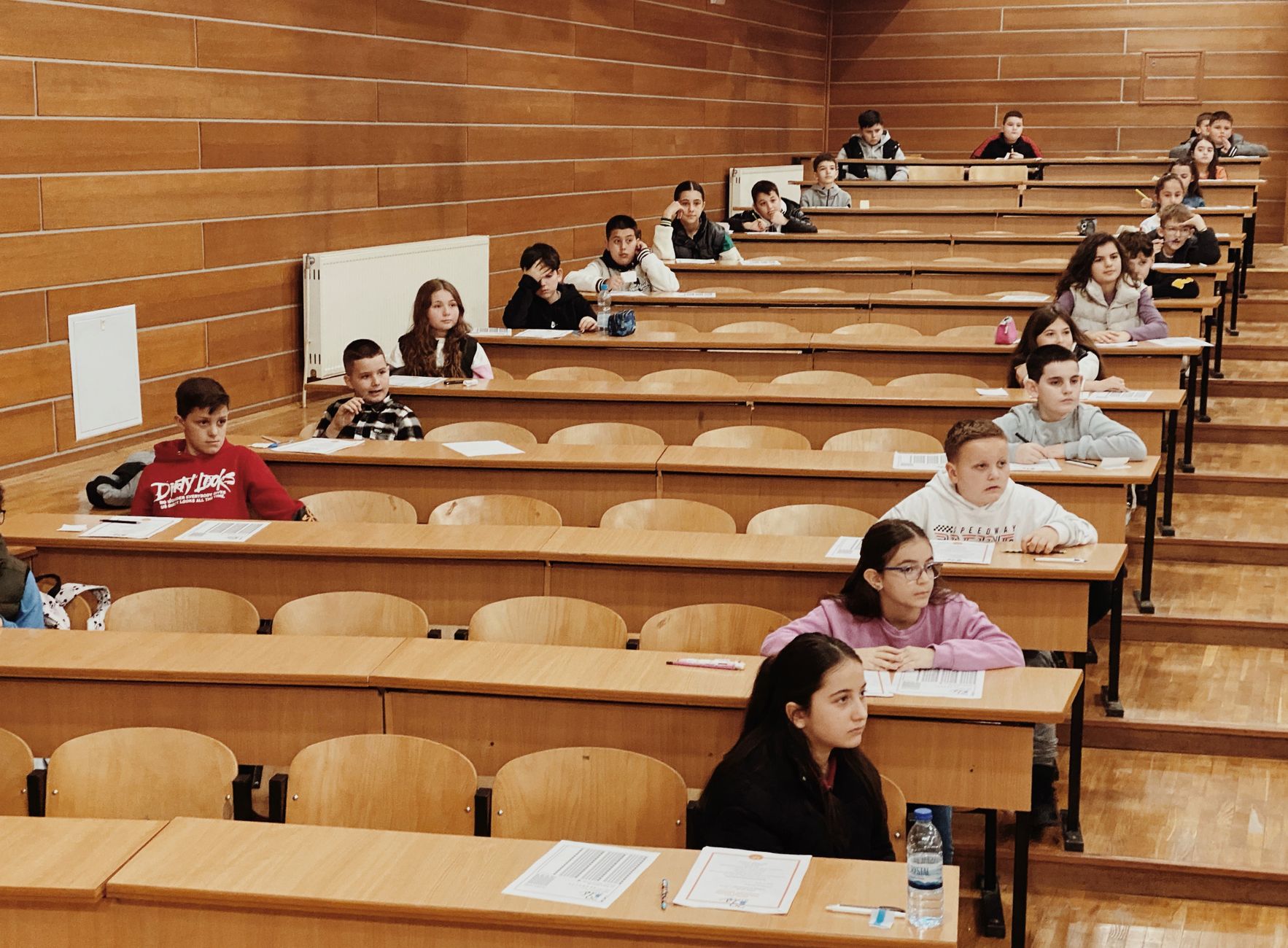
SNES-FSU and CGT Éducation jointly issued a statement on 5 June 2026 demanding that the Ministry of Education invoke the “principe de précaution” (precautionary principle) to postpone or reschedule exams. Their position rests on three pillars:
- Health and safety law: French labour code sets an indoor workplace ceiling of 34°C for continuous physical activity, yet classrooms have often exceeded this by several degrees. Union lawyers point out that the same logic should apply to students and invigilators.
- Inequality between regions: Wealthier grandes écoles and private institutions in Paris have been able to retrofit air conditioning, while public lycées across the socially mixed banlieues and rural areas have not. Holding a uniform national exam in unequal conditions undermines fairness.
- International reputation: With France targeting 500,000 international students by 2027, the unions contend that televised scenes of teenagers fainting in exam halls damage the country’s educational brand.
In response, Minister of Education Nicole Belloubet stated that exams are designed to “maintain the nation’s learning continuity” and that local rectors could deploy mitigation measures—such as early morning start times and extra water stations—without requiring a blanket postponement.
What International Students Should Expect If They Are Sitting Exams in France
If you are an international student enrolled in a French university, grande école, or an Erasmus programme with a June assessment, here is what you need to prepare for:
Exam Date Changes: Localized, Not National
The ministry has delegated authority to recteurs d’académie (regional education directors) to shift exam timetables by up to 48 hours if the local heat index exceeds predefined thresholds. In practice, this means two students 100 kilometres apart may sit the same paper on different days. International students should check the website of their académie daily, not just the central university portal.
Supervision Gaps and Possible Cancellations
A full cancellation is unlikely, but individual exam centres can be merged if too few invigilators report. In Strasbourg and Lyon, several smaller university sites were consolidated into larger venues with better cooling between 10 and 14 June 2026. Transport to the new location is typically at your own expense, so budget for last-minute mobility.
Visa and Residency Implications
International students on a VLS-TS (long-stay student visa) or titre de séjour generally need to maintain their exam schedule to prove academic progression for renewal. If your exam is delayed beyond the formal grade publication date, request an attestation de présence aux examens from your university’s international desk. This document can be presented to the préfecture if you need to extend your stay.
Health Rights and Practical Protections During Extreme Heat
French education law obliges institutions to provide a “safe learning environment.” While the definition of “safe” is currently being tested in court, there are concrete steps you can take to protect yourself:

- Medical exemptions: If you have a diagnosed condition exacerbated by heat (asthma, cardiovascular conditions, certain medications), visit a French GP or the Service Universitaire de Médecine Préventive to obtain a certificat médical. This can be used to request a separate, cooler room or a different examination slot.
- Refusal procedures: You cannot simply walk out of an exam and expect a make-up. However, if conditions become physically dangerous—for example, the room temperature exceeds 42°C and you begin experiencing heatstroke symptoms—you can leave after informing the invigilator and request a procès-verbal (official incident report). You will then need to petition your university’s examination board for a retake.
- Documentation: Take photographs of classroom thermometers (without disrupting the exam), save any official heat alerts from Météo-France on your phone, and keep timestamped notes. This evidence is critical if you later need to appeal a grade or argue for a deferred sitting.
How Climate Risks Are Reshaping Study-Abroad Decisions
The French heatwave crisis is part of a broader pattern. In 2025, extreme temperatures disrupted public examinations in Italy, Greece, and parts of India, prompting a growing number of international students to weigh climate resilience when choosing a destination.
According to a 2026 QS Global Student Survey, 37% of prospective international applicants now consider a country’s climate risk record as a moderate or significant factor in their decision-making, up from 19% in 2021. For France, which markets itself as a balanced four-season destination, the paradox of 40°C classrooms has become a reputational liability.
Universities are gradually responding. The University of Bordeaux and Aix-Marseille Université have announced multi-year plans to install passive cooling systems and redesign summer exam schedules by 2028. Meanwhile, short-term rental platforms in French university towns report a spike in June bookings from international students seeking air-conditioned accommodation during the exam period, adding an unplanned cost to an already expensive month.
Eight Practical Tips for Sitting Exams in a Heatwave
If your exam goes ahead despite the heat, adopt these evidence-based strategies:

- Hydrate with electrolytes, not just water. Plain water dilutes sodium levels after heavy sweating. Alternate water with an oral rehydration solution or a pinch of salt in juice.
- Use cooling towels. A damp towel on your neck and wrists helps lower core temperature without distracting desk work.
- Adjust your sleep pattern. Heat can disrupt sleep; sleep in the coolest room and consider a pre-dawn study schedule to match earlier exam start times.
- Dress for the heat but respect exam dress codes. Linen trousers and loose cotton shirts pass most university dress rules and are far cooler than jeans and synthetic works.
- Plan your route. Delay-plagued French rail networks can mean long waits on sweltering platforms. If possible, stay within walking distance of your exam venue the night before.
- Know the signs of heat illness. Confusion, muscle cramps, and nausea are early warning signals. If you experience any, pause writing, raise your hand, and ask the invigilator for a break.
- Pack the right bag. Most exam halls allow a transparent bottle of water, a small towel, and a fan powered by batteries. Check your university’s prohibited-items list.
- Connect with your student union. Local campus unions often have up-to-the-minute information on strike impact and can advocate on your behalf if an exam centre becomes unsafe.
FAQ: International Students and French Exam Disruptions
Q: Can international students refuse to sit an exam if classroom temperatures exceed 40°C?
In most cases, no. Unless the institution officially cancels the exam, attendance remains mandatory under French education regulations. However, students with heat-aggravated medical conditions can apply for special accommodations through their university health centre or international student office. Always submit requests in writing and keep a copy.
Q: Will a teacher strike automatically cancel my exam?
Not automatically. A strike primarily affects supervision availability. The French administration often reassigns non-striking staff, doctoral students, or external invigilators to maintain exam schedules. Monitor your institution’s official portal and email for real-time updates, and assume exams will proceed unless explicitly told otherwise.
Q: What happens to my French student visa if my exams are postponed and I need to stay longer?
If your exam is officially postponed beyond your visa or titre de séjour expiry, you must obtain an attestation de présence aux examens from your institution. Present this document to your local préfecture to request a short extension or a temporary residence permit. Do not overstay without documentation, as it can jeopardize future visa applications.
Q: Are international students entitled to any compensation if heat affects their exam performance?
There is no automatic compensation scheme. However, if you can demonstrate through independent evidence (temperature logs, medical certificates, official incident reports) that conditions breached institutional duty of care, you may file a formal grade appeal. Universities also usually offer a session de rattrapage (resit period) in late June or July, which can serve as a safety net.
Q: Where can I find official updates on the teacher strike and exam changes in France?
Check three sources daily: your académie’s official website, your university’s dedicated exam page, and the Météo-France vigilance map. For international student-specific guidance, Campus France’s emergency information line and your home country’s embassy or consulate in France are also reliable resources.
References and Sources
- Météo-France Heatwave Bulletins – https://vigilance.meteofrance.fr (Official French weather service; updated hourly during red alerts)
- French Ministry of Education Press Release, 5 June 2026 – https://www.education.gouv.fr (Government policy on exams and heatwave)
- SNES-FSU Strike Statement – https://www.snes.edu (Largest secondary education union; detailed demands and legal reasoning)
- Campus France 2026 International Student Report – https://www.campusfrance.org (Official data on international student numbers and guidelines during exam periods)
- Le Monde, 8 June 2026 – “Canicule et examens : les enseignants divisés sur la grève” (News article with strike participation estimates and on-the-ground reporting)