Tuition Fees at a Glance: 2026 Undergraduate & Postgraduate Comparison (授業料比較)
Before diving into each country’s details, here is the core data that answers the most searched query by Japanese learners: 授業料比較 across the top four English-speaking destinations. Figures are converted to Japanese yen at a rate of ¥100 ≈ AUD 1.05, GBP 0.55, USD 0.67, CAD 0.95 (approximate mid‑2026 rates). All tuition ranges reflect standard international student fee bands for 2026 intake.
| Country | Undergraduate Annual Tuition (学部留学) | Postgraduate Annual Tuition (大学院留学) | Typical Duration | Est. Total Tuition (Whole Program) |
|---|---|---|---|---|
| Australia | AUD 32,000 – 45,000 (¥3.2M – 4.5M) | AUD 35,000 – 50,000 (¥3.5M – 5.0M) | 3 years (Bachelor), 1.5–2 years (Master) | Bachelor: ¥9.6M–13.5M; Master: ¥5.3M–10.0M |
| United Kingdom | £15,000 – 28,000 (¥3.0M – 5.6M) | £16,000 – 35,000 (¥3.2M – 7.0M) | 3 years (Bachelor), 1 year (Master) | Bachelor: ¥9.0M–16.8M; Master: ¥3.2M–7.0M |
| United States | USD 28,000 – 55,000 (¥4.2M – 8.2M) | USD 25,000 – 60,000 (¥3.7M – 9.0M) | 4 years (Bachelor), 2 years (Master) | Bachelor: ¥16.8M–32.8M; Master: ¥7.5M–18.0M |
| Canada | CAD 28,000 – 38,000 (¥2.8M – 3.8M) | CAD 20,000 – 40,000 (¥2.0M – 4.0M) | 4 years (Bachelor), 1–2 years (Master) | Bachelor: ¥11.2M–15.2M; Master: ¥2.0M–8.0M |
Sources: Australian Government Department of Education 2026 fee ranges; UK Government international tuition statistics 2026; College Board Trends in College Pricing 2026; Universities Canada international tuition survey 2026. Conversion uses indicative rates.
学部留学: Undergraduate Tuition Deep Dive
Australia
Australia remains a preferred choice for Japanese students due to its proximity and clear migration pathways. In 2026, the average annual 学費 for a Bachelor of Commerce at a Group of Eight university sits around AUD 42,000 (¥4.2M), while a Bachelor of Science costs AUD 44,000–48,000 (¥4.4M–4.8M). Regional universities such as University of Tasmania or Charles Darwin University offer similar programs at AUD 28,000–32,000 (¥2.8M–3.2M), making them competitive with Canadian options. The three-year degree structure means a total tuition outlay of ¥9.6M–13.5M, significantly less than the US for a comparable qualification.
United Kingdom
The UK’s three-year bachelor’s programs appeal for their intensive structure. International undergraduate fees for 2026 entry at Russell Group universities range from £18,000 to £28,000 (¥3.6M–5.6M) for most arts, social sciences, and engineering courses. Clinical medicine degrees at institutions like Imperial College London can reach £50,000 (¥10M). However, the sterling-to-yen exchange rate has remained relatively stable, and the shorter duration keeps total 学費 competitive. Note that UK student visas require proof of £12,006 per year living costs outside London (2026), which must be factored into 留学費用対効果 calculations.
United States
The US commands the highest sticker price for 学部留学. The College Board reports average published international tuition and fees at public four-year institutions as USD 28,000 (¥4.2M) for 2025-26, with private non-profit colleges averaging USD 42,000 (¥6.3M) and elite schools exceeding USD 60,000 (¥9.0M). Adding the mandatory four-year duration pushes total 教育費 for a bachelor’s degree to ¥16.8M–36M. Generous financial aid for international students exists but is highly competitive; full-ride scholarships are rare for Japanese applicants. The higher cost must be weighed against potential US labor market access.
Canada
Canada is the lowest-cost destination for 学部留学 in this comparison. According to Universities Canada, 2026 international undergraduate fees average CAD 31,000 (¥3.1M) with a range of CAD 22,000–59,000 depending on program and province. Humanities and social science programs in Atlantic Canada often fall below CAD 25,000 (¥2.5M). A four-year honors degree thus costs ¥10M–15.2M in total tuition. Moreover, the Canadian government’s 2026 policy permits international students to work 24 hours per week off-campus, helping offset living costs.
大学院留学: Postgraduate Cost Analysis
Postgraduate 学費 varies more dramatically by discipline. Business and medicine lead everywhere. For Japanese students pursuing a Master’s degree (大学院留学), the one-year UK model provides the fastest return, while Canadian research-based degrees often come with stipends that dramatically lower net cost.
- Australia: Master of Business Administration (MBA) at top business schools: AUD 60,000–80,000 (¥6.0M–8.0M). Master of Data Science: AUD 45,000–55,000 (¥4.5M–5.5M). Research degrees may carry tuition waivers.
- UK: One-year taught Master’s in Finance: £28,000–35,000 (¥5.6M–7.0M). MA in International Relations: £18,000–24,000 (¥3.6M–4.8M). The short duration makes total cost lower than US equivalents.
- US: Two-year MBA at top-tier schools: USD 76,000 per year (¥11.4M) leading to total tuition of ¥22.8M. MS in Engineering: USD 35,000–50,000 (¥5.2M–7.5M). STEM OPT extension adds value to the investment.
- Canada: Research-based Master’s often includes funding packages that cover tuition and provide a living stipend (CAD 15,000–25,000/year). Professional programs like Master of Management cost CAD 35,000–55,000 (¥3.5M–5.5M) total.
留学費用対効果: Calculating Return on Education Investment
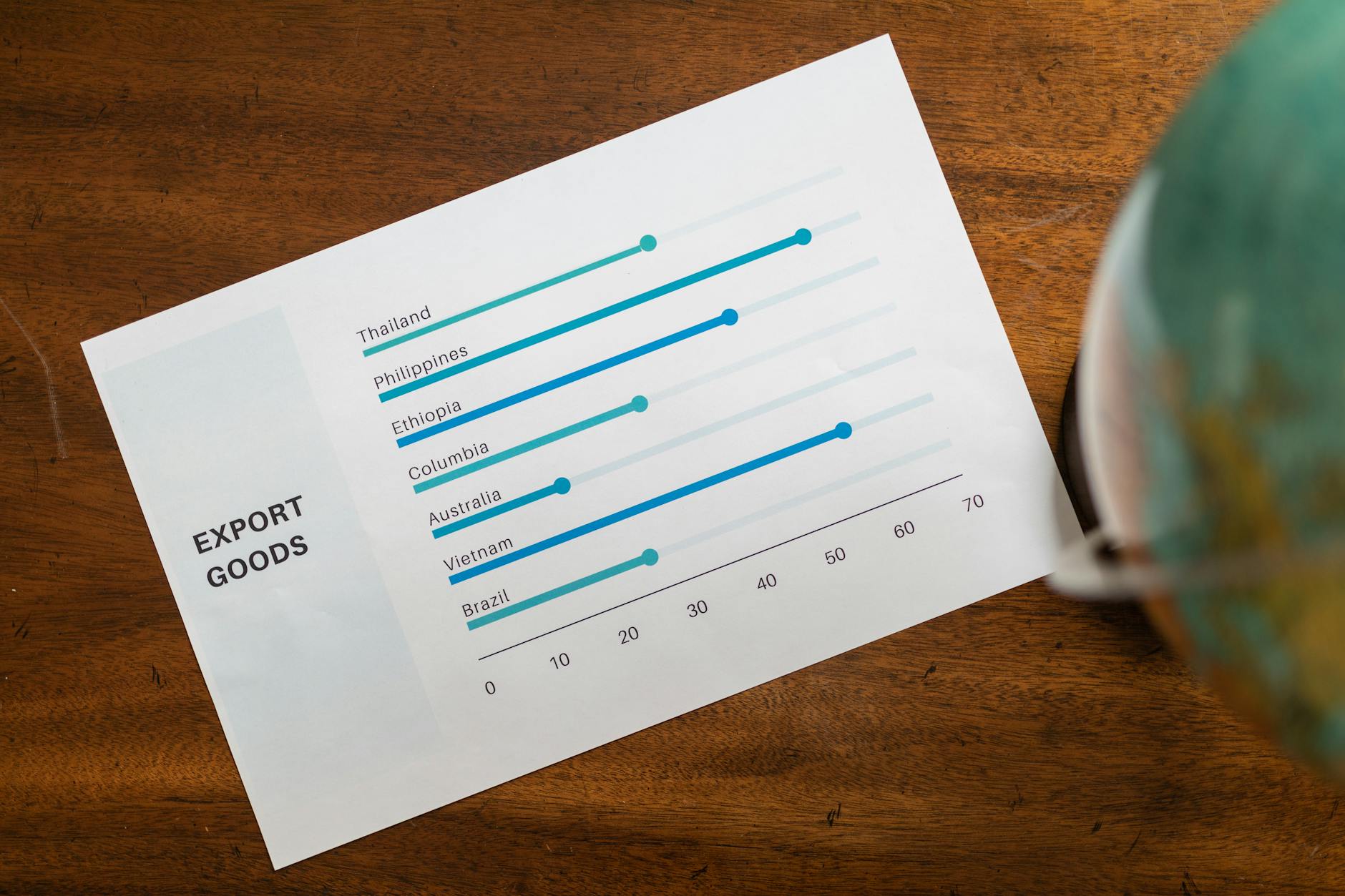
留学費用対効果 (return on education investment) is a critical metric for Japanese families. It is not simply about lowest upfront 学費; it integrates post-study work rights, average starting salaries, and pathways to permanent residency (PR). The 2026 landscape shows:
| Country | Post-Study Work Rights (2026) | Average Graduate Starting Salary | PR Pathway Ease |
|---|---|---|---|
| Australia | 2–4 years (subclass 485) | AUD 62,000 (¥6.2M) | Points-based; state nomination available |
| UK | 2 years (Graduate Route) | £28,000 (¥5.6M) | Skilled Worker visa required; 5 years to ILR |
| US | 1 year (OPT), up to 3 years STEM | USD 58,000 (¥8.7M) | H-1B lottery; employer-sponsored green card |
| Canada | Up to 3 years (PGWP) | CAD 55,000 (¥5.5M) | Express Entry; clear points advantage for Canadian education |
Australia and Canada stand out for Japanese students who view the overseas degree as a stepping stone to permanent settlement. Even if Australian 学費 is higher than Canada’s, the strong Australian dollar-denominated salary and robust PR pathways can produce a faster payback period. For those returning to Japan, the UK’s one-year Master’s minimizes opportunity cost, while a US degree carries brand prestige that can accelerate career progression in multinational firms.
Hidden 教育費: Beyond the Tuition Bill
When comparing 教育費, Japanese students often overlook costs that can add ¥1.5M–2.5M per year:
- Health Insurance: Australia requires Overseas Student Health Cover (OSHC) at AUD 600– 700/year (¥60,000–70,000). The UK adds an Immigration Health Surcharge of £776/year (¥155,000). US campus health plans can exceed USD 3,000 (¥450,000). Canada’s provincial plans may be free after a waiting period, but private insurance is initially required.
- Student Services and Amenities Fee: Australian universities charge up to AUD 350/year; US institutions add activity fees of USD 200–800.
- Visa Application Fees: Australia subclass 500: AUD 710 (¥71,000); UK Student visa: £490 (¥98,000); US F-1 visa: USD 350 (¥52,000) plus SEVIS fee; Canada study permit: CAD 150 (¥15,000).
- Flights and Holiday Travel: Assuming one return trip to Japan per year adds ¥200,000–350,000.
These hidden 教育費 narrow the % difference between the ‘cheapest’ and ‘most expensive’ destination. A Canadian degree that appears ¥2M cheaper in tuition may be offset by higher mandatory health insurance and cross-country travel.
Making a Decision: Which Country Fits Your 学部留学 or 大学院留学 Goal?

- Choose Australia if: you value a clear PR pathway, a moderate climate, and are willing to pay mid-range 学費 for strong post-graduation employment rights in the Asia-Pacific region.
- Choose the UK if: you want the fastest 大学院留学 (one-year Master’s) and a globally recognized degree, accepting higher annual 学費 but lower total cost due to duration.
- Choose the US if: brand prestige and access to the world’s largest graduate job market justify the highest 教育費; ideally with a STEM-eligible major to extend work authorization.
- Choose Canada if: minimizing upfront 学費 is the top priority, and you desire a straightforward immigration pathway with up to three years of open post-study work rights.
Q: How much should a Japanese student budget for living costs in Australia in 2026?
The Australian Department of Home Affairs requires proof of A$24,505 (¥2.45M) per year for living costs for a student visa in 2026. In practice, cities like Sydney or Melbourne may require ¥2.8M–3.2M annually for a comfortable student lifestyle including accommodation, food, transport, and entertainment.
Q: Can I work while studying to cover part of my 学費?
Yes. All four countries allow part-time work during term and full-time during breaks. In 2026, Australia permits 48 hours per fortnight, Canada allows 24 hours per week off-campus, the UK allows 20 hours per week, and the US allows 20 hours on-campus (off-campus requires special authorization). Earnings typically range from ¥1,200 to ¥2,000 per hour, which can cover living expenses but not major tuition costs.
Q: What is the cheapest way to study 学部留学 in an English-speaking country?
Combining a low-cost Canadian university (e.g., Memorial University of Newfoundland, tuition ~CAD 20,000/year) with a co-op program that provides paid work terms can reduce net 教育費 significantly. Alternatively, some Australian regional universities offer scholarships that bring fees below AUD 25,000. Community college transfer pathways in the US (2+2 model) also cut total bachelor’s cost by 30–50%.
Q: Is 大学院留学 worth the higher cost compared to undergraduate study?
A Master’s degree from a reputable university often yields a salary premium of 20–40% in Japan and abroad, according to 2026 QS Graduate Employability data. If the total cost of a one-year UK Master’s is ¥3.5M and the post-degree salary increase is ¥800,000/year, the break-even occurs in under five years, making 大学院留学 a high-return investment.
All figures are based on 2026 exchange rates and institutional fee schedules. Actual costs may vary. Consult each university’s international admissions page for exact program fees.