Sustainable development and environmental science have rapidly climbed the global rankings of popular majors. In 2026, universities are not only responding to student demand but also to urgent labor market signals. Governments and corporations are pouring billions into green transitions, making this field a strategic choice for career-minded international students.
The Global Surge in Demand for Sustainability Expertise
Data underscores the shift. The International Labour Organization (ILO) projects in its 2026 World Employment and Social Outlook that the green economy could generate 24 million new jobs globally by 2030. LinkedIn’s Global Green Skills Report 2026 reveals that job postings requiring green skills have grown by 8% annually over the past five years, outpacing the overall hiring rate. In the United States, the Bureau of Labor Statistics forecasts a 12% growth in environmental scientist and specialist roles from 2024 to 2034, much faster than average.
At the same time, the Intergovernmental Panel on Climate Change (IPCC) underscores the urgency: every nation’s climate commitments demand a new generation of professionals trained in science, policy, and innovation. This confluence of environmental need and economic opportunity has propelled sustainability-related degrees to the top of global rankings.
Top Sustainability & Environmental Science Programs in 2026: A Cross-Country Comparison
Choosing where to study is critical. Below is a comparison of leading institutions according to the QS World University Rankings by Subject 2026 (Environmental Sciences), along with program foci.
| University | Country | QS 2026 Rank | Program Highlight | Green Career Focus |
|---|---|---|---|---|
| Stanford University | USA | 1 | Earth Systems Science with strong data and entrepreneurial tracks | Cleantech, sustainability analytics, ESG consulting |
| ETH Zurich | Switzerland | 2 | Climate dynamics and hands-on Alpine environmental observatories | Renewable energy engineering, environmental modeling |
| University of Oxford | UK | 3 | Environmental Change Institute; blends natural science with policy | Climate diplomacy, environmental law, ESG investment |
| UC Berkeley | USA | 5 | Energy and Resources Group (ERG); interdisciplinary research | Energy transition, environmental justice, green tech |
| Wageningen University | Netherlands | 7 | Circular economy and sustainable food systems | Agri-tech, water resource management, sustainable supply chain |
| Australian National University | Australia | 9 | Asia-Pacific climate policy; Fenner School of Environment | Environmental governance, biodiversity finance |
| National University of Singapore | Singapore | 11 | Tropical urban sustainability and green finance | Smart cities, sustainable real estate, carbon markets |
| University of Tokyo | Japan | 15 | Disaster resilience and energy technology | Climate adaptation, hydrogen energy systems |
These programs typically offer flexibility with specializations at the master’s level, such as Climate Change Policy, Renewable Energy Management, Circular Economy, and Environmental Data Science.
What You’ll Actually Learn: Curriculum Highlights Across Regions
While course titles vary, a core curriculum in 2026 includes:
- Climate Science and Modeling: Understanding atmospheric dynamics and future climate scenarios.
- Sustainability Economics and Policy: Tools to evaluate carbon pricing, subsidies, and environmental regulations.
- Life Cycle Assessment (LCA): Measuring the environmental footprint of products and services.
- Geographic Information Systems (GIS) and spatial data analysis.
- Corporate Sustainability and ESG Reporting: Responding to new mandatory disclosure rules in the EU, UK, and Japan.
- Green Finance and Impact Investing: Mobilizing capital for sustainable projects.
Regional nuances matter. For instance, Wageningen emphasizes agriculture and food transformation; Singapore’s NUS embeds modules on tropical megacity challenges and green fintech; Australian National University integrates Indigenous environmental knowledge into its curriculum. In the US, Stanford encourages startup creation through its Stanford Sustainability Ventures program. Prospective students should align these specializations with their career goals.
Green Careers in 2026: Job Titles, Salaries, and Industries

Green careers are no longer limited to field biology or conservation. The spectrum is wide and lucrative. According to Glassdoor and Payscale data collated in early 2026:
- Sustainability Manager: Median salary USD 95,000; typical sectors include tech, manufacturing, and retail.
- Environmental Consultant: USD 70,000–120,000, depending on expertise in remediation or compliance.
- ESG Analyst: USD 65,000–90,000, with high demand in banking and asset management.
- Renewable Energy Engineer: USD 80,000–130,000, particularly for solar and offshore wind projects.
- Climate Data Scientist: USD 100,000–150,000, combining programming (Python, R) with climate models.
- Circular Economy Specialist: Emerging role, salaries around USD 75,000–110,000 in European markets.
Industries hiring aggressively include clean energy, sustainable agriculture, green construction, electric mobility, and consulting firms like McKinsey Sustainability and ERM. Moreover, governments worldwide are setting green skills quotas: the EU’s Just Transition Fund mandates that 30% of training expenditure goes to green economy skills.
How to Choose the Right Program: Key Factors for International Students
- Check post-study work visa policies: Australia, Canada, and Germany offer generous pathways. The UK’s Graduate Route allows two years (three for PhDs) to work. Singapore’s EDB actively retains sustainability talent.
- Look for mandatory internships or capstone projects: ETH Zurich and Wageningen integrate real-world consultancy projects with industry partners.
- Evaluate research centers: Oxford’s Net Zero Initiative and Stanford’s Precourt Institute provide student research funding.
- Assess interdisciplinary access: If you come from economics or policy, ensure the department permits elective courses in energy science or GIS.
- Consider the local green ecosystem: Studying in Copenhagen, for example, exposes you to a hub of wind energy companies, while California offers the epicenter of cleantech venture capital.
Future Outlook: Where the Field is Heading Beyond 2026
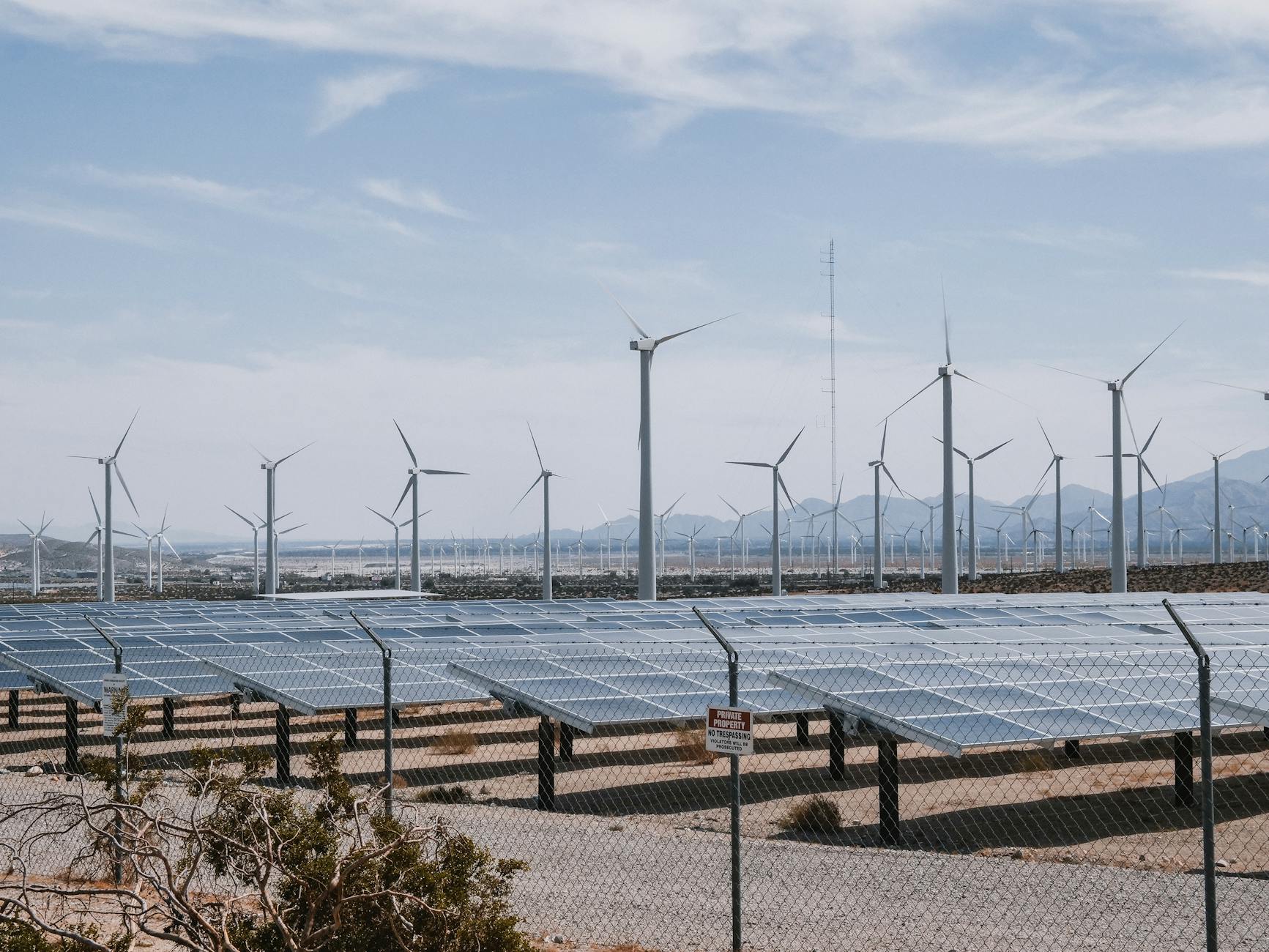
The sustainability sector’s trajectory remains steep. Mandatory climate risk disclosures (IFRS S2) adopted in 2025/2026 mean every large corporation needs sustainability-trained professionals. The transition to electric vehicles and hydrogen economies will require engineering and logistics expertise. Digital twins and AI are increasingly used in environmental monitoring, creating roles at the intersection of computer science and ecology.
A recent LinkedIn survey indicated that 78% of hiring managers in the energy and resources sector prefer candidates with formal sustainability degrees over generalists. Universalizing green skills across sectors implies that regardless of your undergraduate major, a graduate qualification in sustainability can future-proof your career.
Q: How does a degree in sustainable development differ from traditional environmental science?
Environmental science primarily investigates natural systems, pollution, and ecological dynamics. Sustainable development degrees integrate these scientific foundations with social sciences, economics, and management. You’ll study policy design, corporate sustainability strategies, and community engagement alongside ecology. The output is a professional who can navigate both the technical and human dimensions of environmental challenges, making you versatile for roles like sustainability manager or ESG analyst.
Q: What are the starting salary expectations for green careers in 2026?
Entry-level positions like sustainability analyst or junior environmental officer range from USD 55,000 to USD 75,000, depending on location and industry. In Europe, starting salaries are often EUR 40,000–55,000. With three to five years of experience, sustainability managers earn a global median of USD 95,000. Those entering niche fields such as climate data science or renewable energy engineering can command USD 100,000+ soon after graduation, particularly in Switzerland, the US, and Australia.
Q: Are there fully online sustainability programs that are respected by employers?
Yes, several top universities now offer online or hybrid master’s in sustainability, environment, or energy. For example, the University of Edinburgh offers a well-regarded Online MSc in Carbon Management. Arizona State University provides an entirely online Bachelor and Master of Sustainability. Employers increasingly accept online credentials if the program includes interactive projects and is accredited. The key is to verify that the degree does not indicate ‘online’ on the final certificate and that it provides access to alumni networks and career services.
Q: Can I pursue a green career if I don’t have a STEM background?
Absolutely. The green transition requires policy analysts, communications experts, supply chain managers, and financiers. Programs like Oxford’s MSc in Environmental Change and Management or the MSc in Sustainability and Business at the University of Leeds are designed for graduates from diverse disciplines. Many provide pre-sessional bootcamps in quantitative methods. The ESG and carbon accounting fields, in particular, value social science and business graduates for their ability to interpret regulations and engage stakeholders.
Q: Which countries offer the best post-study work opportunities for sustainability graduates?
- Australia: Post-Study Work stream up to four years for relevant bachelor’s or master’s, with sustainability skills on the skilled occupation list.
- Canada: PGWP of up to three years, with targeted Express Entry draws for environmental professionals.
- Germany: 18-month job-seeking visa for graduates of German universities, and a thriving renewable energy sector.
- Netherlands: Orientation Year visa for graduates of top-200 universities globally, with many English-language sustainability roles.
- Singapore: Sustainability is a key growth sector in the Economic Development Board’s plans; graduates from NUS or NTU enjoy high demand and the ability to secure Employment Passes.
Always check the latest skilled occupation lists, as green roles are frequently updated to reflect labor market priorities.
References
- International Labour Organization – Green Jobs Initiative
https://www.ilo.org/global/topics/green-jobs – Authoritative source on global green employment projections and policy frameworks, cited in its 2026 World Employment Outlook. - QS World University Rankings by Subject: Environmental Sciences 2026
https://www.topuniversities.com/university-rankings/environmental-sciences – The most referenced ranking for comparing environmental science programs worldwide. - LinkedIn Global Green Skills Report 2026
https://economicgraph.linkedin.com/research/global-green-skills-report – Data on hiring trends and skill gaps in sustainability-related jobs. - U.S. Bureau of Labor Statistics – Environmental Scientists and Specialists Outlook
https://www.bls.gov/ooh/life-physical-and-social-science/environmental-scientists-and-specialists.htm – Official US government employment projections up to 2034.