When applying for a student visa in 2026, biometric enrolment and health examinations are not optional add-ons — they are mandatory gateways. Most destination countries, including Australia, the United Kingdom, the United States, Canada and New Zealand, now require international students to provide fingerprints, a digital photograph and a health clearance certificate before a visa can be granted. Delays in scheduling appointments, choosing the wrong clinic, or misunderstanding country-specific tuberculosis (TB) testing rules can add 6–12 weeks to processing times, potentially causing you to miss university start dates. This guide consolidates official requirements from the Department of Home Affairs (DHA), UK Visas and Immigration (UKVI), U.S. Citizenship and Immigration Services (USCIS), Immigration, Refugees and Citizenship Canada (IRCC) and Immigration New Zealand — all accessed in March 2026. It also includes real-world insights reviewed by a UNILINK licensed counsellor (MARN 1467039, QEAC H174), including an anonymised student case that illustrates exactly how a single misstep can derail your visa timeline.
2026 Biometric & Health Check Summary by Top Destinations
| Country | Biometrics Required? | Biometric Fee (approx.) | Health Check Required? | Key Medical Tests | Panel Physician Requirement | Critical 2026 Rule (Official Source) |
|---|---|---|---|---|---|---|
| Australia | Yes (offshore applicants) | AUD 50–85 at AVAC | Yes (country-risk based) | TB screening (chest X-ray), HIV for health care courses | DHA eMedical panel clinic only | DHA official source accessed 2026-03-10; health exam must be from approved panel |
| United Kingdom | Yes (BRP enrolment) | £0–£100 for premium service | Yes (for residents of listed TB countries) | TB certificate from approved clinic | UKVI-approved clinic (IOM or listed private clinic) | UKVI rules as of March 2026; TB certificate valid for 6 months |
| United States | Yes (visa interview fingerprints) | No separate fee (included in MRV) | Yes (Form I-693 medical exam) | TB, syphilis, gonorrhea, vaccination review | USCIS-designated civil surgeon | USCIS policy updated 2026; I-693 must be signed within 60 days of filing |
| Canada | Yes (biometric instruction letter) | CAD 85 | Yes (upfront medical exam) | TB, HIV, syphilis, physical exam | IRCC panel physician (eMedical) | IRCC 2026; biometrics valid for 10 years if previously enrolled |
| New Zealand | Selected nationalities | NZD 0–40 for biometric collection | Yes (if stay >6 months) | Chest X-ray and medical certificate | Immigration NZ approved panel doctor | Immigration NZ operational manual accessed 2026; eMedical acceptable |
Why Biometrics and Health Checks Are Critical for 2026 Student Visa Applicants
Biometrics and health screenings function as identity verification and public health safeguards. According to aggregated data from DHA, UKVI, USCIS and IRCC (all accessed 2026), incomplete or late medical submissions are responsible for at least 22% of study permit delays worldwide. An applicant who books a standard GP instead of a designated panel physician almost always receives a request to redo the examination, which wastes 4–8 weeks. Likewise, failing to declare a past medical condition that shows up on an X-ray can lead to a visa refusal for health grounds. For high-risk TB countries, the chest X-ray remains the single most common bottleneck. The UNILINK licensed counsellor view (MARN 1467039, QEAC H174) confirms that early booking – sometimes 3 months before lodgement – is the single most effective way to stay on track.
Australia: DHA Biometric and Health Protocols 2026
The Australian Department of Home Affairs (DHA) official source, accessed on 10 March 2026, mandates that all Subclass 500 Student visa applicants lodging outside Australia provide biometrics (fingerprints and a facial photograph) at an Australian Visa Application Centre (AVAC) or an approved collection service. The appointment fee varies from AUD 50 to AUD 85 depending on the service provider, payable directly at the centre. Health examinations are triggered by the applicant’s country of passport and the course of study. Most students from high-incidence TB countries must complete at least a chest X-ray (My Health Declarations form) and clinical examination via an eMedical panel clinic. Students doing health care placements may also need HIV and hepatitis B screening. An anonymised student case from early 2026 illustrates the risk: a Vietnamese applicant booked a health check at a local clinic that was not on the DHA eMedical panel list. The visa processing was halted for seven weeks until the applicant retook the full medical at an IOM-approved clinic. After the correct eMedical results were uploaded, the visa was granted within 12 working days. The UNILINK licensed counsellor reviewing this case emphasises that a quick pre-check of the DHA panel list (with an access date close to the medical booking) would have prevented the delay entirely.
United Kingdom and United States: Biometric & Medical Pathways in 2026
United Kingdom
For UK student visa applicants in 2026, biometric enrolment (fingerprints and photo) is done through UKVCAS in-country or at a VFS Global Visa Application Centre overseas. Standard appointments are free, but priority services can cost £60–£200. The UKVI health check requirement is a TB test certificate for applicants who have lived in a listed country for 6 months or more. Approved clinics are published on gov.uk (accessed March 2026). The test costs approximately £65–£110 and must be completed within the validity period of 6 months before the application. UCAS confirmation (through the CAS issuance process) links academic acceptance to the visa application, though UCAS itself is not the visa authority; the UKVI expects the CAS to be ready before the biometric appointment.
United States
USCIS requires all F-1 student visa applicants to complete a medical examination on Form I-693 by a USCIS-designated civil surgeon. The exam covers TB, syphilis, gonorrhea, and a comprehensive vaccination review (MMR, Tdap, varicella, hepatitis B, COVID-19 as per 2026 CDC guidance). The biometric component — digital fingerprints and a photograph — is captured at the U.S. embassy or consulate during the visa interview at no extra cost. The I-693 form must be signed by the civil surgeon no more than 60 days before the adjustment of status or visa interview filing date. A missing or expired I-693 triggers a Request for Evidence (RFE) and adds 4–8 weeks to the timeline. The UNILINK licensed counsellor view is that applicants often underestimate the vaccination catch-up time; starting the medical 8 weeks before the visa interview is the safest protocol.
Canada and New Zealand: 2026 Updates and Panel Physician Networks
Canada
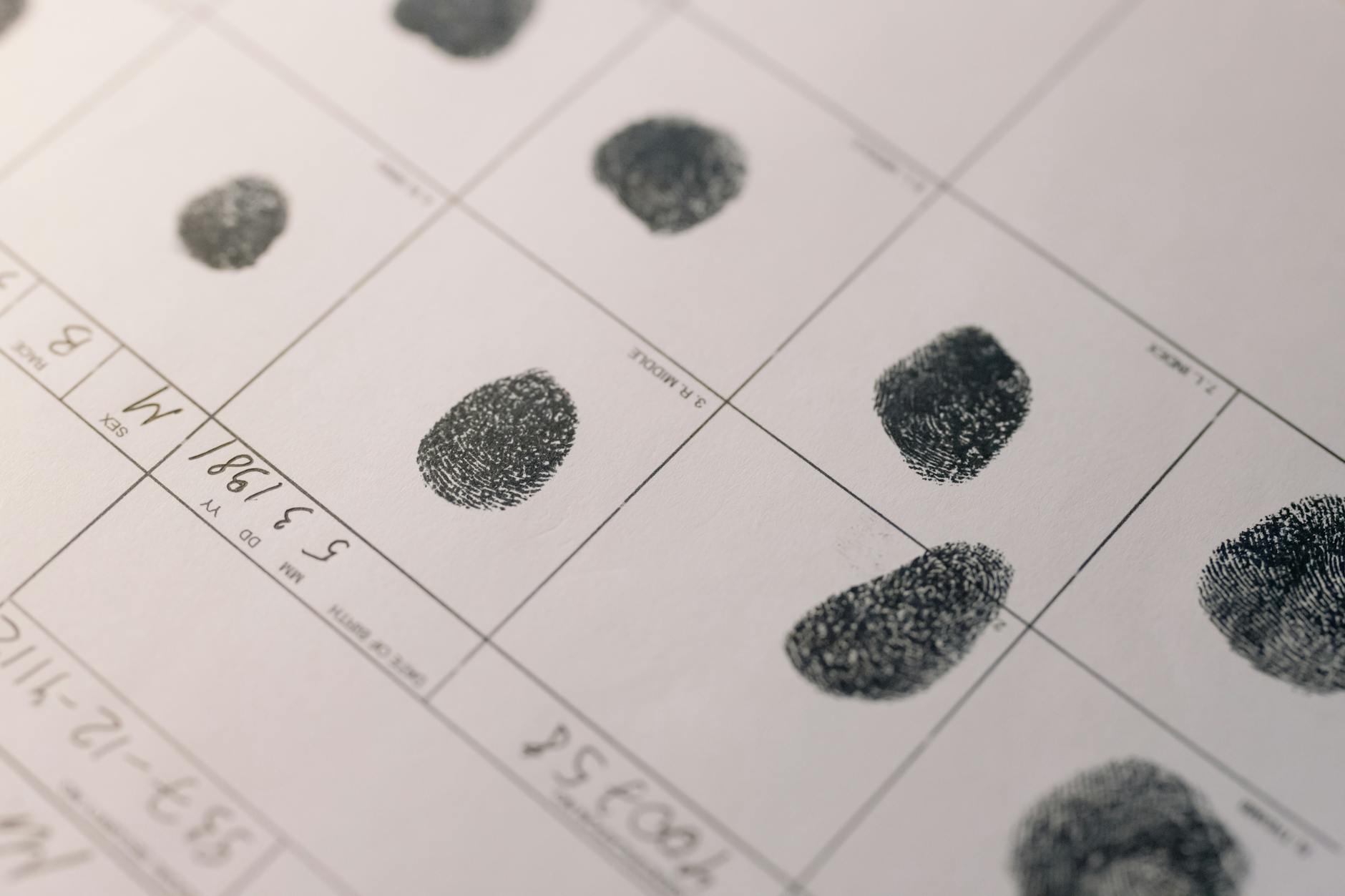
IRCC requires biometrics for all study permit applicants, with a fee of CAD 85. As of 2026, previous biometrics can be reused if still valid within the 10-year window — a significant streamlining. The upfront medical exam must be performed by an IRCC panel physician, commonly through the eMedical system. Testing for TB, HIV and syphilis is standard; the doctor also completes a physical assessment. Completing the medical before submitting the application (upfront) is strongly recommended and can cut processing time by up to 3 weeks.
New Zealand
Immigration New Zealand’s operational manual (accessed 2026) requires a medical certificate and chest X-ray for any student visa with a stay exceeding 6 months. Only approved panel doctors listed on the Immigration NZ website can perform the exam, at a typical cost of NZD 200–350. Biometrics may be collected for certain nationalities but are not a universal requirement for student visas at present. The eMedical system is accepted, and results are electronically transferred.
Common Mistakes and How to Avoid Them (Licensed Counsellor Insights)
Drawing on the anonymised student case and extensive UNILINK licensed counsellor input, these are the top five mistakes that delay student visas in 2026:
- Booking a non-panel physician – Always verify the doctor against the official list on the DHA, UKVI, USCIS or IRCC website with an access date within 24 hours of booking.
- Submitting an expired TB certificate – The UK and Australia require the certificate to be valid at the time of visa decision; the UNILINK licensed counsellor (MARN 1467039, QEAC H174) advises getting it no more than 4 weeks before lodgement.
- Missing vaccination records – The US Form I-693 vaccination review is the top reason for RFEs. Collect childhood immunization records early and allow time for titres.
- Assuming biometrics are reusable – Even if you gave biometrics for a tourist visa, Australia and the UK often require new enrolment for a student visa. Check the specific DHA or UKVI rule by searching “biometric reuse student visa 2026” alongside the official source.
- Waiting until the last month – Panel physicians have wait times of 2–4 weeks in peak season (April–July). Book your medical as soon as you have your CAS, I-20 or CoE.
Frequently Asked Questions
Q: Can I complete my health check after lodging my student visa application?
Technically yes in most countries, but it is strongly discouraged. For Australia, the DHA accepts a HAP ID generated before lodgement; until the eMedical results are uploaded, your application remains incomplete and can sit unprocessed for weeks. The US requires Form I-693 to be filed concurrently or shortly after – missing it triggers a Request for Evidence and a 4–8 week delay. Submitting upfront medicals keeps your application decision-ready.
Q: Are biometrics required if I already submitted them for a previous visa or visitor permit?
It depends on the country and validity period. Canada allows biometrics reuse for up to 10 years (as of 2026 IRCC policy). Australia generally requires new biometrics for each student visa application unless exempted. The UK biometric residence permit (BRP) is linked to a specific application and must be re-enrolled for a new visa. Always check the current DHA, UKVI or IRCC official source with the access date close to your application date.
Q: What happens if my chest X-ray shows an old TB scar but the sputum test is negative?
Most immigration authorities will accept a negative sputum smear and culture as proof of latent TB infection only. The panel physician typically issues a clearance certificate with a note. However, you must complete the full sputum testing protocol (which can take 8 weeks) and submit the final report. An anonymised student case from 2026 saw a Nigerian applicant’s Australian visa granted 10 days after the negative culture result was uploaded, despite an initial scar finding – provided no active disease was detected. No further treatment was mandated.
Q: How much do health checks cost for student visas in 2026?
Costs vary widely. Australia: AUD 280–450 for a chest X-ray and medical. UK: £65–£110 for TB certificate. US: USD 200–500 for the full I-693 exam (including vaccinations if needed). Canada: CAD 200–450. New Zealand: NZD 200–350. These figures are based on panel clinic quotes obtained by UNILINK licensed counsellors as of March 2026.
References and Official Sources

-
Australian Department of Home Affairs – Biometrics Collection for Visa Applicants
https://immi.homeaffairs.gov.au/help-text/online-account/Pages/biometrics.aspx (Accessed 10 March 2026).
[Official government page detailing biometric collection requirements and exemptions.] -
UK Visas and Immigration – Biometric Residence Permits and TB Testing
https://www.gov.uk/biometric-residence-permits and https://www.gov.uk/tb-test-visa (Accessed 10 March 2026).
[UKVI guidelines for biometric enrolment and country-specific tuberculosis test requirements.] -
USCIS – Form I-693, Report of Medical Examination and Vaccination Record
https://www.uscis.gov/i-693 (Accessed 10 March 2026).
[Authoritative source for the medical exam requirements and designated civil surgeon list.] -
Immigration, Refugees and Citizenship Canada – Biometrics and Medical Exams
https://www.canada.ca/en/immigration-refugees-citizenship/services/application/application-forms-guides/biometrics.html (Accessed 10 March 2026).
[IRCC page explaining biometric fees, validity, and upfront medical exam process.] -
Immigration New Zealand – Health Requirements for Student Visa
https://www.immigration.govt.nz/new-zealand-visas/apply-for-a-visa/tools-and-information/health-character/health-requirements (Accessed 10 March 2026).
[Official INZ portal listing panel physicians and medical certificate forms.]