Tuition Fees and Living Costs: Australia vs Canada 2026 for Korean Students
Your budget is likely the biggest decision factor. In 2026, Canada holds a clear edge in affordability.
Annual Undergraduate Tuition (International Students):
- Australia: AUD 32,000 – 45,000 (approx. ₩29 – 41 million)
- Canada: CAD 25,000 – 38,000 (approx. ₩23 – 35 million)
Monthly Living Costs (including rent, food, transport):
- Sydney/Melbourne (AU): AUD 2,200 – 2,800
- Toronto/Vancouver (CA): CAD 1,600 – 2,100
- Adelaide/Hobart (AU regional): AUD 1,600 – 2,000
- Montreal/Halifax (CA smaller cities): CAD 1,200 – 1,600
For a 4-year degree, the total cost difference can reach ₩50–80 million. Scholarships for Korean students exist in both countries – Australia’s Destination Australia program offers up to AUD 15,000/year for regional study, while Canada’s Vanier and provincial grants can cover a large portion of graduate research costs. Part-time work rights are comparable: both allow 24 hours/week during semesters and unlimited hours during breaks from 2026.
Post-Study Work Visas in 2026: Who Gives You More Time?
Post-graduation work rights critically affect your ROI and migration strategy.
Australia (Temporary Graduate visa, subclass 485):
- Bachelor’s degree: 2 years
- Master’s by coursework: 2 years (3 years if in a critical skills area like IT, engineering, healthcare)
- Master’s by research: 3 years
- PhD: 4 years
- Study in a regional area: add 1–2 extra years
- Korean students must meet the English requirement (IELTS 6.5 overall or equivalent) and hold a valid degree from a CRICOS-registered course.
Canada (Post-Graduation Work Permit, PGWP):
- Program length 8 months – 2 years: visa length matches program duration
- Program length 2+ years: 3-year open work permit
- No occupation restrictions; can work for any employer
- Field-of-study eligibility tightened in 2026: graduates from programs tied to in-demand occupations (STEM, trades, healthcare) get full access; non-aligned programs may face limits.
Verdict: Canada’s 3-year PGWP for 2-year programs is more generous for the average business or humanities student. Australia’s extended rights for STEM and regional graduates are closing the gap if you choose your course strategically.
Permanent Residency Pathways: Speed vs Certainty
Korean students often rank PR potential as a top-3 priority. Canada’s Express Entry system (2026 CRS score minimum around 480) gives a transparent, points-based route. Canadian education (15–30 points), local work experience (up to 80 points), and age under 30 maximize your score. Many Korean graduates get an Invitation to Apply within 6 months of completing one year of skilled work.
Australia’s 2026 permanent visa framework is more complex but offers multiple streams:
- Skilled Independent visa (subclass 189): points-tested, invites unpredictable; minimum 65 points but realistically 85+ for accounting/IT/engineering.
- Skilled Nominated visa (subclass 190): requires state nomination, adds 5 points; major states target graduates in health, education, construction.
- Graduate stream in state migration: Western Australia and South Australia offer dedicated pathways for local graduates with no work experience requirement in 2026.
- Temporary Graduate to Employer Sponsored: TRT stream allows transition from 485 to PR after 2 years with an approved employer (annual salary threshold AUD 70,000).
Processing times 2026:
- Canada Express Entry: 6–8 months average
- Australia 189/190: 12–24 months
- Regional 491 to 191 PR: 3 years of residence, then permanent
If PR speed is your absolute must, Canada remains the simpler choice. Australia works better if you have a specialized skillset or are willing to study in Adelaide/Perth/Darwin where state nomination is easier.
Climate, Time Zone, and Korean Community Life
Australia’s climate more closely aligns with what Korean students find physically comfortable: Sydney has a warm temperate climate (15–26°C) and Brisbane is subtropical. Canada’s winter in Toronto or Montreal averages -15°C to -5°C from December to February – a genuine shock for many students from Korea. Vancouver’s west coast is milder (0–8°C) but very rainy.
Time zone difference matters for family contact and remote internships:
- Australia (AEST) is only 1 hour ahead of Korea, making daily video calls seamless.
- Canada spans 14–17 hours behind Korea; a 10 PM call in Seoul means waking up at 6 AM in Toronto.
Both countries have large, established Korean communities. Sydney’s Strathfield and Eastwood, Melbourne’s Box Hill, and Toronto’s North York, Vancouver’s Coquitlam are hubs with Korean grocery stores, restaurants, and churches. Australian cities have a slight edge in the freshness and variety of Korean ingredients due to active import channels, but Canada’s K-market scene has boomed since 2023.
Q: Is it harder to find a part-time job as a Korean student in Australia or Canada?
It’s slightly easier in Canada’s large cities due to a hospitality industry that actively hires international students. In Australia, casual jobs in cafes, retail, and tutoring are plentiful near university campuses, but competition has increased in Sydney and Melbourne in 2026. Korean language tutoring is a solid income source in both countries, with session rates of AUD 35–50/hour in Australia and CAD 30–45/hour in Canada.
University Rankings and Industry Connections
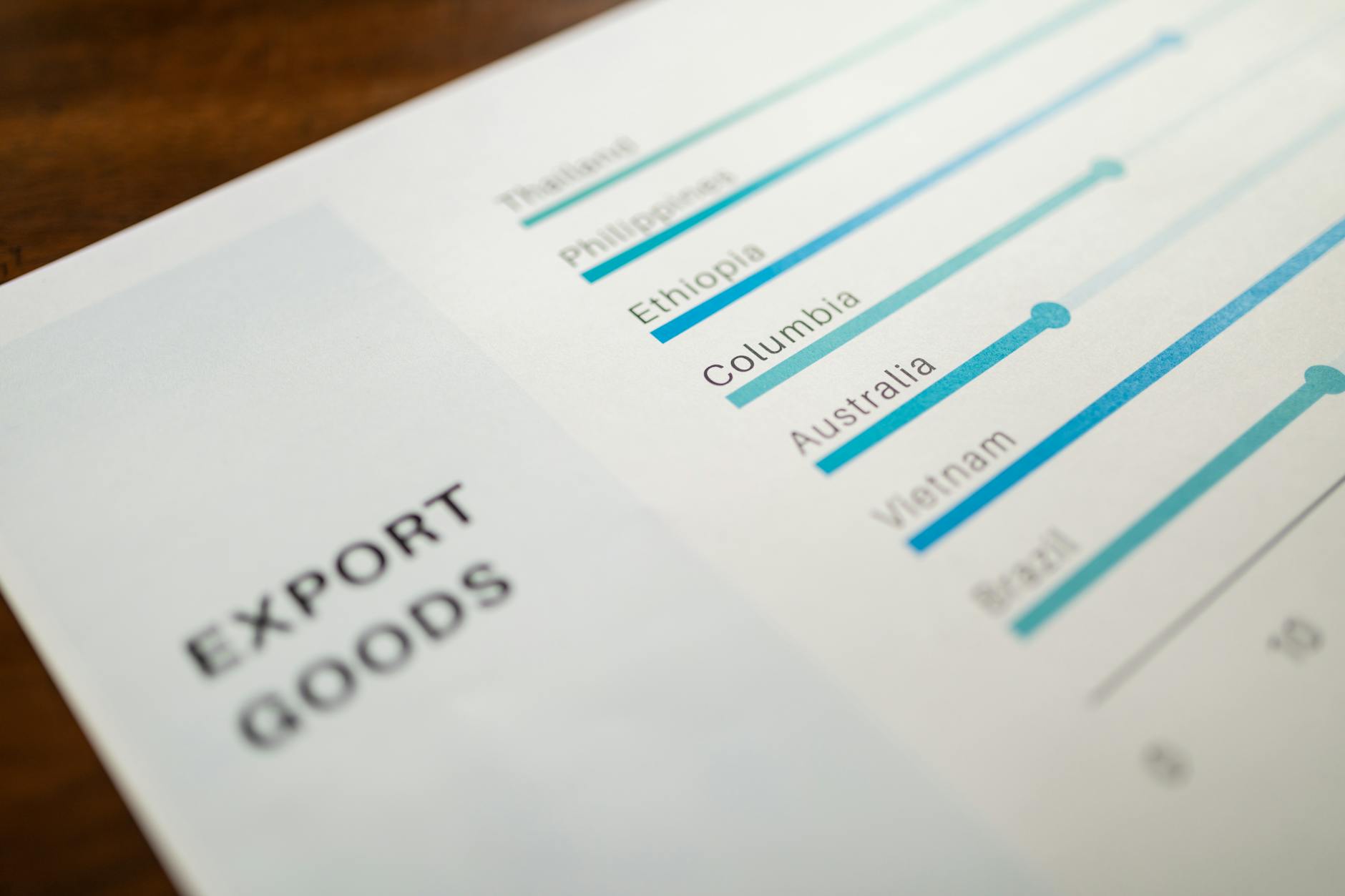
From a Korean employer perspective, the QS World University Rankings 2026 matter. Australia’s Group of Eight (Go8) institutions – Melbourne, Sydney, UNSW, ANU, Queensland, Monash, UWA, Adelaide – feature prominently in top-100 rankings. Korean HR teams at Samsung, LG, SK, Hyundai, and global firms recognize these names instantly. Canada’s top performers – University of Toronto (rank 21), McGill (rank 29), UBC (rank 38) – are equally prestigious but fewer in absolute top-100 count.
Both countries excel in different fields:
- Australia: medicine and health sciences (Melbourne rank 20 globally), mining and environmental engineering, marine biology, sports science.
- Canada: artificial intelligence and machine learning (Montreal is a global hub), petroleum engineering, forestry, animation and VFX.
Co-op and internship culture is institutionally stronger in Canada: the University of Waterloo and UBC have mandatory co-op programs that yield 12–16 months of paid work experience by graduation. Australia’s Professional Year programs for accounting, IT, and engineering graduates provide structured internships and extra migration points, but they cost AUD 8,000–13,000.
Health Insurance and Daily Life Practicalities
Both countries mandate health coverage for international students, but the costs and services differ.
- Australia: Overseas Student Health Cover (OSHC) costs about AUD 550–700/year for singles. It covers doctor visits, some hospital services, and limited pharmaceuticals. Dental and optical are not included; extra insurance is AUD 250–400/year.
- Canada: Provincial health coverage is available in some provinces (British Columbia, Alberta, Saskatchewan) after a waiting period of 2–3 months; international students in Ontario use private plans like Guard.me costing CAD 600–800/year. Always check province-specific rules.
Banking is straightforward: Korean banks like Hana, Shinhan, and Woori have overseas branches or transfer partnerships in both countries, reducing remittance fees. The K-ETA and eTA (Australia’s Electronic Travel Authority) are both free or low-cost for Korean passport holders, and student visa processing in 2026 takes about 15–35 days in both destinations.
Q: Can Korean army service be deferred while studying in Australia or Canada?
Yes. South Korean military service can be deferred until age 28 (in some cases 30) if you are enrolled full-time in an overseas university. You must submit official enrollment documents to the Military Manpower Administration and obtain an overseas travel permit. Both Australian and Canadian universities are fully recognized for deferral purposes. Many Korean students use a bachelor’s degree overseas to naturally align their service timing without a study gap.
Q: Which country has a higher acceptance rate for Korean students?
Both countries are actively recruiting Korean students, but admission offer rates differ. Canadian universities, particularly for undergraduate programs, weight high school transcripts and English test scores (IELTS 6.5 or Duolingo 120) more transparently. Australian Group of Eight universities have become moderately more flexible in 2026, especially for pathway programs that accept students with slightly lower English scores and offer conditional offers. Overall, Korean students applying with a 3.2–3.8 GPA and IELTS 6.5+ can expect a high offer rate in both countries.
Q: How do I decide between Sydney and Toronto for my master’s degree in 2026?
Choose Sydney if you prioritize climate, closer time zone to Korea, and want to access the Asia-Pacific job market after graduation (Australia’s post-study work visa is stronger in engineering/health). Pick Toronto if you want faster permanent residency, a larger finance and AI job ecosystem, and are okay with harsh winters. Tuition fees for a master’s in data science in 2026: AUD 47,000/year at UNSW vs. CAD 38,000/year at University of Toronto. Rent a one-bedroom near campus: AUD 2,400/month in Sydney vs. CAD 1,900/month in downtown Toronto.
Final Verdict: Australia or Canada for Korean Students in 2026?
There’s no single “better” – only the better fit for your goals:
- Fastest PR and lower cost: Canada
- Warm climate, Asian time zone, top-ranked Go8 degrees: Australia
- Best for healthcare/nursing: Australia (strong sector-based PR pathways)
- Best for AI/software engineering: Canada (concentrated tech hubs and explicit STEM migration preferences)
- Smoothest transition culture-wise: both, with large Korean communities in major cities
Start by clarifying your career goal, total budget, and weather tolerance. Then match to the country that aligns with those priorities.
Reference Sources

- Australian Department of Home Affairs, Student visa (subclass 500) and Temporary Graduate visa (subclass 485) official pages – up-to-date visa conditions and work rights, accessed April 2026. https://immi.homeaffairs.gov.au
- Immigration, Refugees and Citizenship Canada (IRCC), Post-Graduation Work Permit Program and Express Entry guide, 2026 updates. https://www.canada.ca/en/immigration-refugees-citizenship.html
- QS World University Rankings 2026 – top universities in Australia and Canada. https://www.topuniversities.com
- Numbeo Cost of Living 2026 – city-level comparison for Sydney, Melbourne, Toronto, Vancouver. https://www.numbeo.com/cost-of-living/
- Korean Military Manpower Administration – overseas study deferment policy, valid 2026. https://www.mma.go.kr